April 11, 2026
Dog trainers know that certain experiences are extremely important to most dogs. We refer to these as
life rewards for dogs:
- Meeting other people
- Meeting other dogs
- Going outside
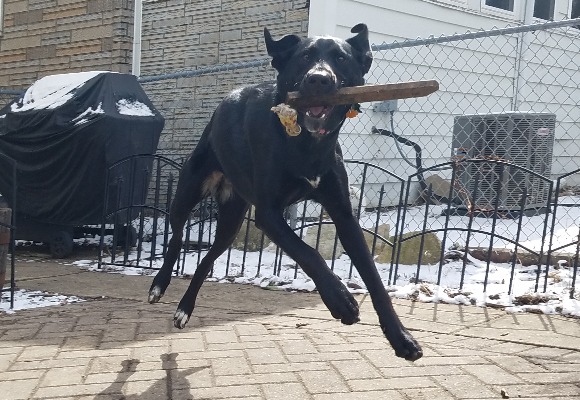
- Receiving a bone
Because these rewards matter so much to dogs, we can use them to reinforce desirable behavior. The concept is simple: the dog does something we want, such as remaining calm or responding to a recall, and then receives access to something he already loves.
Understanding the value of these rewards allows us to turn everyday experiences into powerful training opportunities.
Life Reward 1: Meeting Other People
Meeting different people is an important part of a dog’s socialization. However, greetings should be controlled so that we do not unintentionally reinforce jumping, mouthing, scratching, or other unruly behavior.
Some people enjoy an enthusiastic greeting. They laugh, speak excitedly, and pet the dog while he jumps on them, unknowingly reinforcing the jumping by providing attention while it is happening.
The problem often becomes obvious when the dog meets someone who does not want to be jumped on, such as:
- An older adult who could be knocked down
- A young child with soft skin
- Someone dressed to go out, perhaps wearing white pants
- A person who is frightened or uncomfortable around dogs
The exact greeting procedure will depend on the dog, the person, and the situation. The important principle is simple: calm behavior provides access to the person and the attention the dog wants.
For additional guidance, read
How to Teach Your Dog to Stop Jumping on You.
Life Reward 2: Meeting Other Dogs
For most dogs, meeting and playing with other dogs is an extremely valuable life reward.
However, requiring calm behavior as a condition of greeting other dogs helps your dog learn these nice behaviors:
- Controlled and calm approach
- No pulling toward other dogs
- Refraining from barking and lunging at other dogs
- Waiting for permission before approaching the other dog
Successful dog introductions require thoughtful playmate selection, careful observation of body language, and skilled leash handling. For these reasons, I do not recommend on-leash greetings with unfamiliar dogs.
A planned one-on-one interaction provides a better opportunity for a safe and controlled introduction.
K9 Playtime is a free Dog Life Pro service that helps owners find potential playmates based on factors such as:
- Age
- Size
- Location
- Play style
If you feel anxious about introducing your dog, particularly if your dog is already full-grown,
contact Dog Life Pro for help arranging and supervising a controlled introduction.
Life Reward 3: Going Outside
Being outside is one of the most powerful
life rewards for dogs.
Many dogs become extremely excited when they realize they are about to go outside. This can result in a mad dash through the doorway, causing the dog to:
- Run over someone’s bare feet
- Crash into someone’s knees or legs
- Dart through a door when the owner never intended to let him outside
- Escape the property and potentially run into traffic
Because going outside is so rewarding, we can use it to develop calm, controlled behavior at the doorway.
The dog learns that going outside requires:
- Sitting calmly
- Making eye contact
- Waiting to be invited through the doorway
This is called threshold training and it’s fun and easy with a nice big payoff for dog owners. Download Dog Life Pro’s
step-by-step threshold-training guide for complete instructions.
Life Reward 4: Receiving a Bone
Although receiving a bone can be highly rewarding, many veterinarians and
AAHA advise against giving dogs bones and other hard chews. Fortunately, another high-value reward can serve the same training purpose. If you still want to give your dog a bone, definitely discuss this with your vet first.
Receiving a high-value food reward like steak, shrimp, chicken or salmon after performing the hand target provides powerful reinforcement for returning to the owner. This will make the hand target strong and reliable even in the face of high distraction.
Dog Life Pro’s
Advanced Hand Target document explains how to perform the exercise correctly.
Here’s an example of a strong recall developed over time with high value food. Watson loves exploring by the riverbank, but when I called his name, he started running to me before I even gave the hand target verbal cue, “touch”.
Put Life Rewards for Dogs to Work
Understanding
life rewards for dogs helps explain why dogs become so excited about people, other dogs, going outside, and bones. The reward already matters to the dog. We simply use access to that reward to make desirable behaviors stronger.
If you need help with jumping, dog introductions, threshold training, or recall,
Dog Life Pro offers private, in-your-home dog training in Oak Park, Berwyn, Riverside, River Forest, and Cicero.
Dog trainers know that certain experiences are extremely important to most dogs. We refer to these as
life rewards for dogs:
- Meeting other people
- Meeting other dogs
- Going outside
- Receiving a bone
Because these rewards matter so much to dogs, we can use them to reinforce desirable behavior. The concept is simple: the dog does something we want, such as remaining calm or responding to a recall, and then receives access to something he already loves.
Understanding the value of these rewards allows us to turn everyday experiences into powerful training opportunities.
Life Reward 1: Meeting Other People
Meeting different people is an important part of a dog’s socialization. However, greetings should be controlled so that we do not unintentionally reinforce jumping, mouthing, scratching, or other unruly behavior.
Some people enjoy an enthusiastic greeting. They laugh, speak excitedly, and pet the dog while he jumps on them, unknowingly reinforcing the jumping by providing attention while it is happening.
The problem often becomes obvious when the dog meets someone who does not want to be jumped on, such as:
- An older adult who could be knocked down
- A young child with soft skin
- Someone dressed to go out, perhaps wearing white pants
- A person who is frightened or uncomfortable around dogs
The exact greeting procedure will depend on the dog, the person, and the situation. The important principle is simple: calm behavior provides access to the person and the attention the dog wants.
For additional guidance, read
How to Teach Your Dog to Stop Jumping on You.
Life Reward 2: Meeting Other Dogs
For most dogs, meeting and playing with other dogs is an extremely valuable life reward.
However, requiring calm behavior as a condition of greeting other dogs helps your dog learn these nice behaviors:
- Controlled and calm approach
- No pulling toward other dogs
- Refraining from barking and lunging at other dogs
- Waiting for permission before approaching the other dog
Successful dog introductions require thoughtful playmate selection, careful observation of body language, and skilled leash handling. For these reasons, I do not recommend on-leash greetings with unfamiliar dogs.
A planned one-on-one interaction provides a better opportunity for a safe and controlled introduction.
K9 Playtime is a free Dog Life Pro service that helps owners find potential playmates based on factors such as:
- Age
- Size
- Location
- Play style
If you feel anxious about introducing your dog, particularly if your dog is already full-grown,
contact Dog Life Pro for help arranging and supervising a controlled introduction.
Life Reward 3: Going Outside
Being outside is one of the most powerful
life rewards for dogs.
Many dogs become extremely excited when they realize they are about to go outside. This can result in a mad dash through the doorway, causing the dog to:
- Run over someone’s bare feet
- Crash into someone’s knees or legs
- Dart through a door when the owner never intended to let him outside
- Escape the property and potentially run into traffic
Because going outside is so rewarding, we can use it to develop calm, controlled behavior at the doorway.
The dog learns that going outside requires:
- Sitting calmly
- Making eye contact
- Waiting to be invited through the doorway
This is called threshold training and it’s fun and easy with a nice big payoff for dog owners. Download Dog Life Pro’s
step-by-step threshold-training guide for complete instructions.
Life Reward 4: Receiving a Bone
Although receiving a bone can be highly rewarding, many veterinarians and
AAHA advise against giving dogs bones and other hard chews. Fortunately, another high-value reward can serve the same training purpose. If you still want to give your dog a bone, definitely discuss this with your vet first.
Receiving a high-value food reward like steak, shrimp, chicken or salmon after performing the hand target provides powerful reinforcement for returning to the owner. This will make the hand target strong and reliable even in the face of high distraction.
Dog Life Pro’s
Advanced Hand Target document explains how to perform the exercise correctly.
Here’s an example of a strong recall developed over time with high value food. Watson loves exploring by the riverbank, but when I called his name, he started running to me before I even gave the hand target verbal cue, “touch”.
Put Life Rewards for Dogs to Work
Understanding
life rewards for dogs helps explain why dogs become so excited about people, other dogs, going outside, and bones. The reward already matters to the dog. We simply use access to that reward to make desirable behaviors stronger.
If you need help with jumping, dog introductions, threshold training, or recall,
Dog Life Pro offers private, in-your-home dog training in Oak Park, Berwyn, Riverside, River Forest, and Cicero.