December 21, 2025
🐾 Why Dogs Run Out the Door
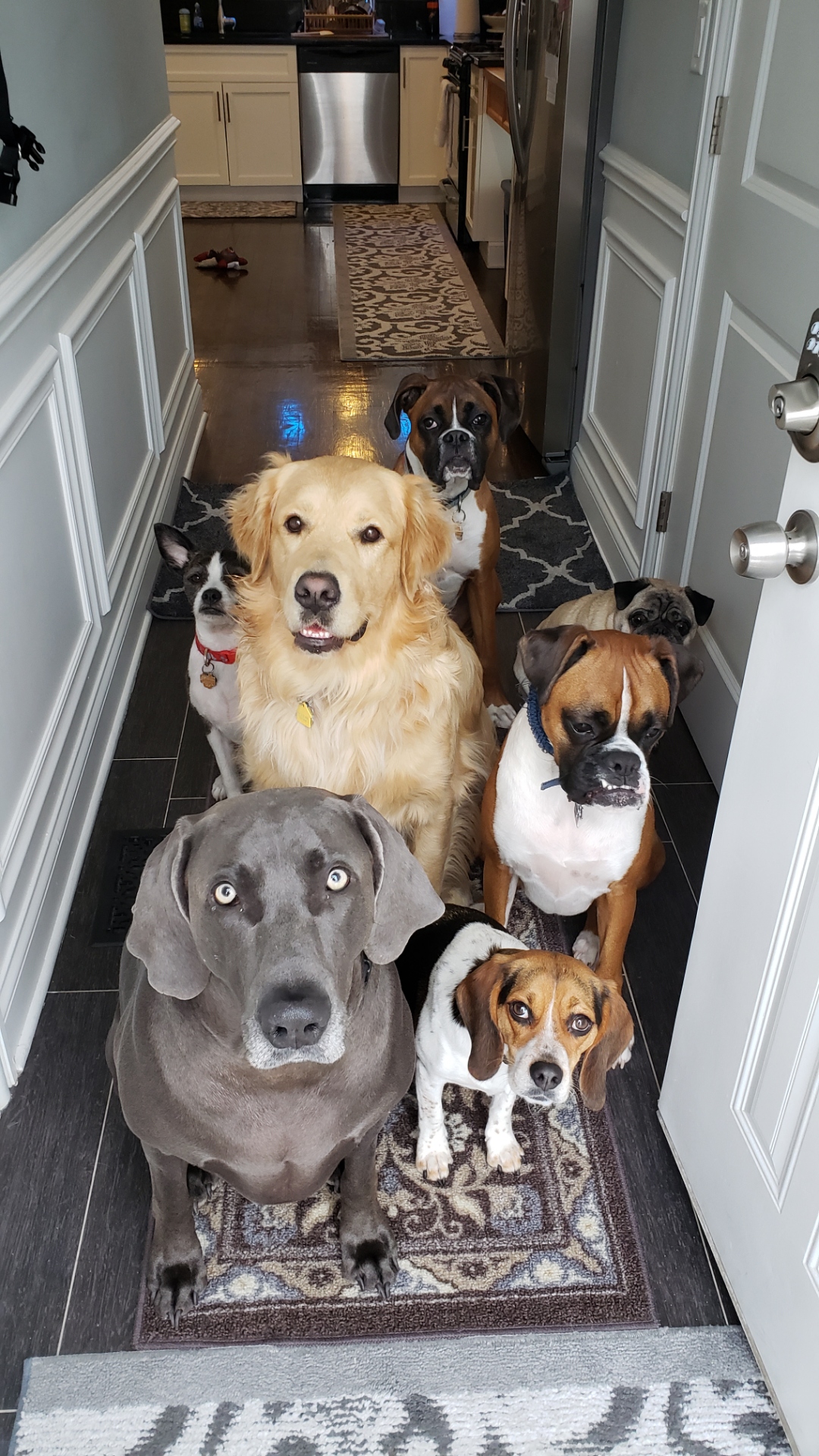
If your dog runs out the door the moment you open it, you’re not alone. This behavior, often called door dashing, is extremely common.
Dogs bolt through doors because:
-
Doors predict walks, freedom, or excitement
-
Rushing has worked in the past
-
They haven’t learned how to pause and wait
Trainers know that outdoors is one of the four major “life rewards” for dogs. Meeting people, meeting other dogs, and chewing bones are the other three.
This isn’t stubbornness or defiance. It’s a lack of impulse control combined with excitement for the outdoors.
🐾 Why Door Dashing Is a Serious Safety Issue
A dog that bolts out the door is at real risk of:
-
Being hit by a car, particularly for Oak Park residents living near busy roads like Harlem or I-290
-
Getting lost
-
Getting maced or bitten by fearful people or their dogs
-
Knocking over children or older adults
This is especially important for:
-
Reactive or territorial dogs
-
Dogs with a strong prey drive
-
Dogs that have tried to run away before
Stopping a dog from bolting out the door is about management and training, not punishment.
🐾 The Training Concept That Stops Door Dashing
This is one of the easiest skills to teach your dog, because the reward (outdoors) is so important. We’re going to teach your dog this simple rule:
Calm behavior makes doors open. Rushing makes doors close.
Dogs clearly understand this pattern because you’re communicating with them through physical movement, which is the primary way dogs communicate, rather than relying on verbal cues.
This is a form of impulse control training that carries over into many other situations.
🐾 Step-by-Step: Teach Your Dog to Wait at the Door
Step 1: Start at the Door
Open the door slowly and step into the opening, facing your dog, as you do this.
Pause in the doorway before moving through.
Step 2: Wait for Attention
Look at your dog and wait for eye contact.
The moment your dog looks at you:
-
Praise immediately – Good Boy! And simultaneously…
-
Open the door enough to step through, and then
-
Use a clear arm motion to invite your dog to follow
At first, you are reinforcing attention, not sitting.
Step 3: Increase the Difficulty
Now repeat Step 2, but increase the criteria. After eye contact, wait quietly until your dog sits. Don’t ask, just wait.
When this happens:
-
Praise immediately – Good Boy! And simultaneously…
-
Open the door enough to step through, and then
-
Use a clear arm motion to invite your dog to follow
This teaches your dog to wait at the door instead of rushing it.
🐾 What If My Dog Tries to Bolt Anyway?
That’s normal during training.
If your dog breaks position or tries to run past you:
-
Close the door immediately, as soon as their butt comes off the ground.
-
Wait for your dog to reset
-
Try again slowly but be ready to close the door as soon as they begin to break their sit.
Dogs learn quickly that:
This clarity is what changes the behavior long-term.
🐾 Consistency Is the Key to Success
If sometimes your dog is allowed to rush out the door ahead of you and other times isn’t, the behavior will never fully resolve.
For best results:
-
Everyone in the household must follow the same rules
-
Practice at every exit, not just walks
-
Be patient but consistent
This is how you build reliable impulse control.
🐾 Final Thoughts
If your dog runs out the door when you open it, the solution is often as simple as giving yourself a little extra time when leaving and following the steps above. If you’re having trouble or just want guidance tailored to your dog, don’t hesitate to reach out for training support.
Don’t hesitate to use a leash during training so you can prevent your dog from escaping if they manage to get past you.
Keep your dog’s collar and ID tags on while practicing, in case they do get away and become lost.
Clear rules, calm repetition, and consistency will:
🐾 Example Videos
Here are a couple of different examples of threshold training with Cheese and Bear.
Example 1:
Bear knows that I go through the door first, but he still needs me to step in front of him to remember. He’s only a year old! He’s almost to the point where I can just open the door and he’ll wait for me.
Example 2:
Cheese is at least 5 years old now and I just ask him to sit because he’s not at my home enough to know the criteria for exiting, but he displays great impulse control and is happy to do what I ask.
🐾 Why Dogs Run Out the Door
If your dog runs out the door the moment you open it, you’re not alone. This behavior, often called door dashing, is extremely common.
Dogs bolt through doors because:
-
Doors predict walks, freedom, or excitement
-
Rushing has worked in the past
-
They haven’t learned how to pause and wait
Trainers know that outdoors is one of the four major “life rewards” for dogs. Meeting people, meeting other dogs, and chewing bones are the other three.
This isn’t stubbornness or defiance. It’s a lack of impulse control combined with excitement for the outdoors.
🐾 Why Door Dashing Is a Serious Safety Issue
A dog that bolts out the door is at real risk of:
-
Being hit by a car, particularly for Oak Park residents living near busy roads like Harlem or I-290
-
Getting lost
-
Getting maced or bitten by fearful people or their dogs
-
Knocking over children or older adults
This is especially important for:
-
Reactive or territorial dogs
-
Dogs with a strong prey drive
-
Dogs that have tried to run away before
Stopping a dog from bolting out the door is about management and training, not punishment.
🐾 The Training Concept That Stops Door Dashing
This is one of the easiest skills to teach your dog, because the reward (outdoors) is so important. We’re going to teach your dog this simple rule:
Calm behavior makes doors open. Rushing makes doors close.
Dogs clearly understand this pattern because you’re communicating with them through physical movement, which is the primary way dogs communicate, rather than relying on verbal cues.
This is a form of impulse control training that carries over into many other situations.
🐾 Step-by-Step: Teach Your Dog to Wait at the Door
Step 1: Start at the Door
Open the door slowly and step into the opening, facing your dog, as you do this.
Pause in the doorway before moving through.
Step 2: Wait for Attention
Look at your dog and wait for eye contact.
The moment your dog looks at you:
-
Praise immediately – Good Boy! And simultaneously…
-
Open the door enough to step through, and then
-
Use a clear arm motion to invite your dog to follow
At first, you are reinforcing attention, not sitting.
Step 3: Increase the Difficulty
Now repeat Step 2, but increase the criteria. After eye contact, wait quietly until your dog sits. Don’t ask, just wait.
When this happens:
-
Praise immediately – Good Boy! And simultaneously…
-
Open the door enough to step through, and then
-
Use a clear arm motion to invite your dog to follow
This teaches your dog to wait at the door instead of rushing it.
🐾 What If My Dog Tries to Bolt Anyway?
That’s normal during training.
If your dog breaks position or tries to run past you:
-
Close the door immediately, as soon as their butt comes off the ground.
-
Wait for your dog to reset
-
Try again slowly but be ready to close the door as soon as they begin to break their sit.
Dogs learn quickly that:
This clarity is what changes the behavior long-term.
🐾 Consistency Is the Key to Success
If sometimes your dog is allowed to rush out the door ahead of you and other times isn’t, the behavior will never fully resolve.
For best results:
-
Everyone in the household must follow the same rules
-
Practice at every exit, not just walks
-
Be patient but consistent
This is how you build reliable impulse control.
🐾 Final Thoughts
If your dog runs out the door when you open it, the solution is often as simple as giving yourself a little extra time when leaving and following the steps above. If you’re having trouble or just want guidance tailored to your dog, don’t hesitate to reach out for training support.
Don’t hesitate to use a leash during training so you can prevent your dog from escaping if they manage to get past you.
Keep your dog’s collar and ID tags on while practicing, in case they do get away and become lost.
Clear rules, calm repetition, and consistency will:
🐾 Example Videos
Here are a couple of different examples of threshold training with Cheese and Bear.
Example 1:
Bear knows that I go through the door first, but he still needs me to step in front of him to remember. He’s only a year old! He’s almost to the point where I can just open the door and he’ll wait for me.
Example 2:
Cheese is at least 5 years old now and I just ask him to sit because he’s not at my home enough to know the criteria for exiting, but he displays great impulse control and is happy to do what I ask.